
Why Your Next Phone Needs an eSIM Card Instead of a Plastic One
Ever wished you could switch phone carriers or add a travel plan without fiddling with a tiny plastic chip? An eSIM card, or embedded SIM, is a digital version built directly into your device, letting you activate a cellular plan through software instead of physical insertion. You simply scan a QR code or download a carrier’s app to instantly connect to a network, making it effortless to manage multiple lines on one phone.
Unlocking the Future: What Embedded SIM Technology Actually Is
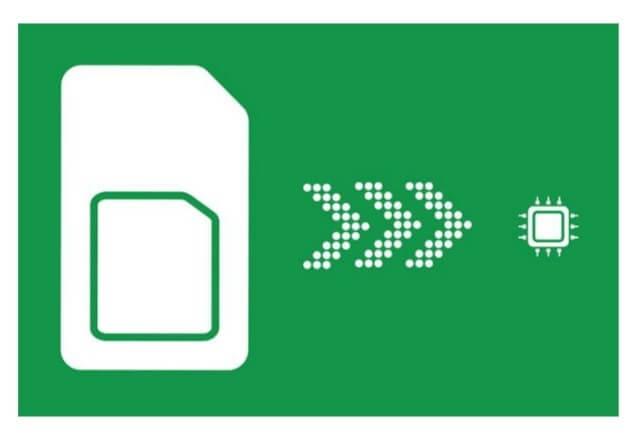
Embedded SIM (eSIM) technology is a programmable chip soldered directly onto a device’s motherboard, replacing the physical, removable SIM card. Instead of swapping plastic cards, an eSIM allows users to download a mobile network profile to the chip, activating service instantly via a QR code or app. This unlocks the future by enabling seamless switching between carriers without needing to obtain or insert a new card. A user can store multiple profiles simultaneously, though typically only one line is active at a time.
The core shift is from a hardware-dependent identity to a software-controlled one, making multi-network access a matter of digital profiles rather than physical possession.
For travel, this means pre-purchasing and activating a local data plan before departure, avoiding roaming fees. For device management, it frees up physical space, allowing for slimmer designs or larger batteries.
How an Embedded SIM Differs from a Traditional Plastic SIM
An embedded SIM (eSIM) is a soldered chip, unlike a traditional plastic SIM which is a removable card you physically insert. This means you cannot swap an eSIM between devices by hand. Instead, you remotely download a profile to activate service, eliminating the need for a physical swap. The eSIM is permanently fixed inside the device, saving internal space and improving water resistance. With a plastic SIM, you must remove it to change carriers or devices; with an eSIM, you switch via software. Remote profile provisioning is the core difference, offering instant carrier activation without waiting for a mailed card. Q: How do I switch phones without removing the eSIM? A: You simply transfer the digital profile through your carrier’s app or a QR code.
The Core Components That Enable Remote Provisioning
Remote provisioning hinges on three core components. First, a **secure hardware element**—usually a tamper-resistant chip—physically stores the eSIM profile, preventing unauthorized access. Second, a universal integrated circuit card (UICC) operating system manages profile lifecycle actions, like download, enable, or delete. Third, the SM-DP+ (Subscription Manager Data Preparation) server encrypts and pushes the actual operator profile wirelessly. Without these three layers working in lockstep, you cannot switch carriers by scanning a QR code or tapping an app. Secure hardware element remains the bedrock, as it isolates your credentials from the device’s main processor.
Q: What happens if the secure element fails during a remote provisioning session? A: The download aborts, the SM-DP+ cancels the pending profile, and your existing active profile remains untouched—no network data is left in an incomplete state.
Why Carriers Globally Are Adopting This Digital Alternative
Carriers globally are adopting embedded SIM technology because it slashes physical logistics costs and supply chain friction. Instead of manufacturing, shipping, and inventorying plastic cards, providers push profiles digitally, enabling instant activation. This shift dramatically reduces customer support overhead tied to lost or damaged SIMs. For carriers, this means converting a fixed hardware process into a fluid, on-demand subscription service. The true driver is operational efficiency: remote provisioning eliminates physical card swapping across device fleets, allowing carriers to seamlessly manage connections for IoT, wearables, and travel profiles without requiring a new piece of plastic. This digital alternative directly lowers churn by offering subscribers effortless plan-switching and immediate top-ups, all from within the device.
Key Benefits That Make the Digital SIM a Game Changer
The digital SIM eliminates the physical card entirely, offering a game-changing shift in connectivity. Users can instantly switch between carriers or activate a new plan through a simple QR scan or app, ditching the wait for a plastic card. This allows seamless management of multiple profiles, such as keeping a home number and a local data plan active simultaneously on one device for travel.
No more fumbling with tiny trays or searching for a paperclip to swap service.
The eSIM’s embedded nature also means greater device durability, as there is no slot for dust or water ingress, and it frees up internal space for larger batteries or advanced hardware.
Switching Networks Without Physically Swapping a Chip
The ability to switch networks without physically swapping a chip eliminates the hassle of hunting for a SIM ejector tool or worrying about losing a tiny card. With an eSIM, you change your mobile provider directly through your device’s settings menu, often with a quick QR code scan or app tap. This process is instantaneous, allowing you to compare coverage or grab a local data plan the moment you land in a new country. This on-demand carrier switching provides a clear sequence for activation:
- Select a new plan from a supported provider via their app or website.
- Download the eSIM profile directly to your phone’s storage.
- Activate the new network profile in your device settings, instantly overriding the old connection.
No trip to a store, no waiting for a physical delivery, and no risk of damaging your handset’s SIM tray.
Freeing Up Physical Space for Thinner Devices and Larger Batteries
The removal of the physical SIM tray and its supporting hardware frees up valuable internal real estate within a device. This reclaimed space can be directly repurposed to accommodate a larger battery capacity without increasing the phone’s overall thickness, or conversely, allows engineers to design a thinner, more streamlined chassis while maintaining the same power cell size. This spatial efficiency is a direct result of eliminating a dedicated, single-purpose slot from the motherboard.
Freeing up physical space allows for either a thinner device profile or a larger battery, directly enhancing portability or runtime without compromising the other.
Enhanced Security Against SIM Swapping and Physical Theft
An eSIM eliminates the physical card that thieves swap to hijack your number, locking your mobile identity directly to the device’s secure hardware. This makes SIM swap fraud virtually impossible, as there is no removable chip to intercept. Even if your phone is stolen, the eSIM profile remains encrypted and inaccessible without your device passcode or biometrics, so a thief cannot eject a SIM to transfer your line. Remote locking or wiping an eSIM profile further neutralizes any stolen hardware, severing the link between your number and the device instantly.
By removing the physical SIM, the eSIM makes SIM swapping and theft irrelevant, securing your number inside tamper-resistant hardware.
Streamlined Travel with Instant Local Profiles
With an eSIM, streamlined travel with instant local profiles begins the moment you land. Instead of hunting for a physical SIM kiosk, you simply scan a QR code or tap a profile into your phone, activating local data in under a minute. This eliminates the ritual of swapping tiny cards across multiple devices or risking lost original SIMs. You maintain your primary number for calls and 2FA, while the local profile handles high-speed data, maps, and ride-hailing seamlessly. Travel transitions become fluid, letting you step off the plane and immediately navigate a new city without connection delays.
Activate a local eSIM profile in seconds upon arrival, bypassing physical card swaps and maintaining your home number for seamless, connected travel.
Understanding How eSIM Profiles Are Downloaded and Activated
To activate an eSIM, you first acquire a downloadable eSIM profile from your carrier, typically via a QR code or app. Scanning this code triggers the secure download of the profile’s encrypted credentials to your device’s embedded chip. Activation occurs when the device installs this profile, binding it to your device’s unique EID. You then select this profile from your device’s cellular settings to enable service. eSIM profile activation is immediate once installed, with no physical card swap. Your device manages multiple profiles, letting you switch carriers by toggling between stored profiles without re-downloading, as long as they remain active.
The QR Code Method: Scanning to Connect
The QR Code Method: Scanning to Connect provides the most direct user path for eSIM activation. A carrier supplies a unique QR code containing the encoded profile details. The user navigates to their device’s cellular settings, selects “Add eSIM,” and scans the code with their camera. This action initiates the download and installation of the remote profile onto the embedded chip. The entire process completes in seconds without requiring a physical SIM card or manual entry of long activation codes, making it a seamless eSIM activation method for compatible smartphones.
App-Based Activation for Major Providers
For major providers like Verizon, T-Mobile, and AT&T, app-based activation for your eSIM card is typically instantaneous. After purchasing a plan through their native app, the eSIM profile downloads automatically to your device. The process usually follows a clear sequence:
- Open your provider’s official app and log in.
- Select the eSIM plan or activate a new line.
- Follow on-screen prompts to initiate the profile download.
- Confirm activation by restarting the device when prompted.
Your phone’s internet connection must remain stable throughout the download to avoid profile corruption. This method eliminates the need for a physical SIM and is the primary activation method for major US carriers.
Managing Multiple Profiles: Storing Work, Travel, and Personal Numbers
Managing multiple eSIM profiles lets you store work, travel, and personal numbers on a single device without swapping physical cards. You assign each profile a label (e.g., “Business” or “Trip to Japan”) and toggle data or calls per line directly in settings. This keeps billing separate and ensures you never miss urgent calls while traveling. For frequent travelers, pre-loading a local data profile alongside your home number eliminates roaming fees. Deactivate unused profiles to save space, or activate a backup when primary fails.
- Label each profile clearly (e.g., “Client Line,” “Personal,” “London Trip”) for instant recognition.
- Switch data usage between profiles based on your location or current task.
- Keep two travel profiles dormant but ready for activation upon arrival.
- Store emergency contacts on the personal profile while routing work calls to voicemail near bedtime.
Step-by-Step: Transferring a Profile Between Phones
Transferring an eSIM profile between phones begins by accessing the source device’s settings to locate the mobile or cellular plan menu, then selecting “Remove eSIM” or “Transfer SIM.” This action deactivates the profile without deleting it. On the new phone, navigate to the same section, choose “Add eSIM,” and scan the original QR code or re-enter the activation details provided by your carrier. The profile downloads and activates automatically, often requiring a restart for full functionality. eSIM profile transfer ultimately depends on carrier support for re-downloading the same profile.
- Confirm both phones are unlocked and compatible with the same carrier
- Keep your carrier’s QR code or activation info accessible beforehand
- Ensure a stable Wi-Fi connection on the new phone during download
- Verify the profile appears under active plans after the restart
Which Devices Currently Support This Technology
For eSIM card technology, support is now widespread across recent flagship and mid-range smartphones. Apple’s iPhone XS and newer models, including the US-only iPhone 14 and 15 series which lack a physical SIM tray, fully support eSIM. All Google Pixel phones starting from the Pixel 3, and most Samsung Galaxy S20, S21, S22, S23, and Z Fold/Flip series devices are eSIM-compatible. Devices that currently support this technology also include recent Motorola Razr and Edge models, as well as the Huawei P40 and Mate 40 lines. For wearables, Apple Watch Series 3 and later, and several Samsung Galaxy Watch models offer standalone eSIM functionality, allowing a separate line without a phone.
Latest Smartphones from Apple, Samsung, and Google
The latest flagship smartphones from Apple, Samsung, and Google all integrate native dual-SIM functionality via eSIM. Apple’s iPhone 16 series supports multiple eSIM profiles active simultaneously, eliminating the physical SIM slot entirely in US models. Samsung’s Galaxy S24 and Z Fold 6 allow two active eSIMs or one eSIM paired with a nano-SIM. Google’s Pixel 9 lineup offers seamless eSIM activation directly through the settings menu, with support for five stored profiles. Switching carriers on these devices requires no physical card exchange, only a QR code or app download.
For users of the latest iPhone, Galaxy, or Pixel models, eSIM is already the primary connectivity method, offering instant profile switching and carrier flexibility without altering hardware.
Beyond Phones: Smartwatches, Laptops, and Tablets
Beyond smartphones, eSIM technology is actively integrated into many smartwatches, laptops, and tablets for independent connectivity. Cellular smartwatches like the Apple Watch Series and Samsung Galaxy Watch use an eSIM to make calls and stream data without a paired phone. Many modern laptops, such as select Microsoft Surface and Lenovo ThinkPad models, embed an eSIM for always-on mobile broadband, bypassing tethering. Similarly, tablets like the iPad Pro and cellular Galaxy Tab SKUs rely on an eSIM profile to directly access cellular networks, enabling full functionality when Wi-Fi is unavailable. Each device manages its own eSIM through a built-in settings menu, allowing users to activate or switch carriers without a physical SIM card.
Growing Compatibility in IoT and Connected Cars
The growing compatibility in IoT and connected cars with eSIM technology now enables seamless out-of-the-box connectivity for vehicles and smart devices. A modern car can automatically provision its eSIM upon ignition, linking to local networks for real-time navigation, remote diagnostics, and over-the-air updates without manual SIM insertion. Likewise, an IoT sensor in a supply chain container switches profiles autonomously across borders, maintaining constant data flow for tracking and telemetry. This integration eliminates physical swapping, ensuring devices stay persistently online and responsive from first use onward.
Regional Variations: Why Some Markets Lag Behind
Regional variations in eSIM adoption often come down to simple device availability. Carrier-locked phones in certain markets lack the unlocked eSIM profiles needed for quick switching, leaving users stuck with physical SIMs even if their hardware technically supports it. Your handset’s eSIM capability might be deliberately disabled by your local provider’s firmware. Smaller regions also get older iPhone or Android models first, which often skip the eSIM slot entirely. Meanwhile, budget phones in these lagging markets rarely include eSIM, forcing reliance on plastic cards.
| Factor | Lagging Market | Advanced Market |
| Phone models sold | Older, eSIM-lacking variants | Latest with dual eSIM slots |
| Carrier lock | Frequent, blocks eSIM activation | Rare, open profiles |
Choosing the Right Digital SIM Plan for Your Needs
Choosing the right eSIM plan begins by evaluating your specific data and coverage needs. For frequent international travelers, prioritize plans with multi-country roaming access rather than single-region options. Assess your monthly usage honestly—light data users benefit from smaller, cheaper packages, while heavy streamers need unlimited or high-capacity data tiers with throttling protections. An often-overlooked detail is checking whether the eSIM supports your device’s network bands for optimal speed. Time-limited promotional plans may offer great short-term savings, but a stable, long-term carrier eSIM often provides more consistent connectivity. Finally, verify that the plan’s activation process is compatible with your smartphone’s eSIM implementation to avoid setup complications.
Comparing Prepaid Data Packages from Global Providers
When comparing prepaid data packages from global providers for an eSIM, first evaluate coverage scope versus cost per gigabyte. Analyze whether a regional or global plan offers better value based on your itinerary. Next, examine data speed caps—some “unlimited” packages throttle after a threshold, while others guarantee high-speed throughout. Finally, assess top-up flexibility and validity periods. A logical sequence for comparison:
- Identify your destination countries and trip duration.
- List available global providers covering all those regions.
- Compare data allowances and speed tiers within your budget.
- Check if unused data rolls over or expires after a set number of days.
Prioritize plans that balance comprehensive coverage with transparent throttling policies.
Local vs. Roaming Profiles: Cost and Coverage Tradeoffs
Choosing between a local eSIM profile and a roaming profile hinges on the fundamental tradeoff of cost versus coverage. A local profile, purchased in-country, offers the lowest data cost per gigabyte but restricts you to that single nation, forcing you to switch profiles when crossing borders. Conversely, a roaming profile provides seamless multi-country connectivity from the moment you land, yet it commands a premium price for that convenience. Your decision should align with your trip’s nature: a deep dive into one region favors a local profile’s savings, while a whirlwind tour across multiple countries justifies the roaming profile’s higher cost for uninterrupted service.
- Local profiles: Cheapest per GB but require manual installation in each new country
- Roaming profiles: More expensive but activate automatically across entire pre-selected regions
- Local profiles: Best for slow, immersive travel in a single destination
- Roaming profiles: Ideal for quick, multi-border trips where time is money
Evaluating Short-Term Travel Plans vs. Long-Term Subscriptions
When evaluating short-term travel plans versus long-term subscriptions for an eSIM, prioritize your travel frequency and duration. A short-term travel eSIM plan suits single trips under 30 days, offering high-data packages for specific regions at a flat fee, with zero commitment after the trip ends. Conversely, a long-term subscription, often billed monthly or annually, provides continuous coverage across multiple countries, ideal for frequent business travelers or digital nomads. The key difference is cost efficiency: short-term plans have a higher per-day rate but no waste, while long-term plans lower the per-gigabyte cost but require payment during downtime. Evaluate your average number of trips per year to break even.
| Aspect | Short-Term Plan | Long-Term Subscription |
|---|---|---|
| Duration | 1–30 days | Monthly or yearly renewal |
| Cost per GB | Higher | Lower |
| Commitment | None | Ongoing (cancel anytime) |
| Best For | Single trip, sightseeing | Regular multi-country travel |
Hidden Fees and Data Caps to Watch For
When selecting an eSIM plan, scrutinize the fine print for eSIM hidden fee traps that inflate the base price. Watch for activation or setup charges, often waived in promotions, and recurring “service fees” buried in terms. Data caps are not always clear; some plans throttle speeds after a “fair usage” threshold within an advertised unlimited package. Others enforce hard caps with expensive per-GB overage charges. Always verify if a plan has a “data only” restriction, which can limit tethering or VoIP calls without extra cost.
Hidden fees and data caps transform cheap eSIM offers into costly commitments. Always check for activation costs, throttling after usage limits, and overage fees to avoid surprises.
Setting Up Your First Embedded SIM: Practical Troubleshooting
When setting up your first embedded SIM, activation failure often stems from an incorrect eSIM card profile. Ensure your device’s cellular settings allow manual addition by scanning the QR code from your carrier; if this fails, restart the device. For network errors, toggle Airplane Mode to force a fresh connection attempt. Verify the eSIM profile is not corrupted by downloading it again via the carrier’s app. If the embedded SIM remains unresponsive, remove and re-insert the physical SIM slot (if applicable) to reset the eSIM module. Avoid toggling multiple eSIM profiles simultaneously, as this can cause provisioning conflicts.
Common Activation Errors and How to Resolve Them
Common activation errors often stem from a missing network profile or incorrect QR code scanning. If your eSIM displays “No Service,” ensure you have a stable Wi-Fi connection during the download, as the profile requires data to install. A “Profile Not Found” message usually indicates the QR code was scanned too slowly or the activation code was mistyped. Resolve this by requesting a fresh QR from your carrier and scanning it immediately. For “SIM Not Supported” errors, confirm your device is carrier-unlocked and supports eSIM technology. Finally, if activation fails after multiple attempts, reboot your phone and reinstall the profile from your account portal without rushing the process.
What to Do When Your Device Doesn’t Recognize the Profile
Begin by navigating to your device’s mobile network settings and confirming that eSIM functionality is enabled. If the profile remains unrecognized, delete the existing eSIM data entirely from the “Cellular Plans” menu and re-scan the QR code provided by your carrier. A manual activation option, requiring entry of the SM-DP+ address and confirmation code, often resolves recognition failures. Reboot the device after re-adding the profile to force a fresh network handshake. Ensure your device’s operating system is updated, as older versions can lack compatibility. If issues persist, the profile itself may be corrupt; request a new eSIM activation code from your provider.
| Action | Purpose |
|---|---|
| Delete & re-add profile | Clears corrupted data for fresh installation |
| Manual SM-DP+ entry | Bypasses QR scan errors |
| OS update check | Ensures eSIM driver support |
Switching Default Lines for Calls, Messages, and Data
After installing your eSIM card, you must designate a default line for calls, messages, and data to avoid billing surprises. Open your SIM settings; you can typically set the eSIM for data while keeping your physical SIM for voice and SMS, or vice versa. When making a call, you can often choose which line to use for that single call. For smooth operation, configuring your data default for the eSIM ensures you consume the correct data plan.
- Set your primary data line to the eSIM to use its dedicated data plan.
- Assign your physical SIM as the default for voice calls to retain your existing number.
- Toggle “Allow Cellular Data Switching” to prevent dropped connections when one network weakens.
Recovering a Deleted Profile Without Visiting a Store
If you accidentally delete your eSIM profile, don’t panic—you can often restore an eSIM profile remotely without visiting a store. First, check your carrier’s app or website for a “Reinstall eSIM” option. Many providers let you scan the original QR code from your welcome email or download a new one from your account dashboard. Alternatively, carrier support can push a fresh activation profile to your device after quick identity verification. Just ensure you’re on Wi-Fi to download it. This works as long as your line remains active with the carrier, saving you a trip entirely.
Security and Privacy Considerations in a SIM-Free World
With eSIMs, your carrier profile is stored as software, eliminating the physical threat of SIM swapping via a lost or stolen card. However, this centralizes risk to your device’s operating system; if infected with malware, an attacker could remotely provision a new eSIM profile. Your primary defense is locking your eSIM management settings behind a strong device passcode or biometric, preventing unauthorized profile transfers. Unlike a physical SIM, you can easily pause or delete your eSIM profile remotely via your carrier’s app if your phone is lost. This digital control also means you must trust your carrier’s cloud security to prevent their system from being used to clone your identity. For sensitive uses, always use a separate, dedicated profile for critical accounts to logically isolate your primary number from potential breaches tied to less trusted networks.
How Remote Management Changes the Risk Landscape
Remote management transforms the risk landscape by shifting threat vectors from physical SIM theft to digital account compromise. Since an eSIM profile can be downloaded, erased, or transferred via a remote server, a hacked carrier dashboard or phishing attack enables unauthorized profile reprogramming without ever touching the device. This elevates the consequence of weak authentication on the management platform. A lost physical SIM merely blocks service; a compromised remote manager can silently swap a user’s identity onto an attacker’s device.
How does remote management increase risk compared to physical SIMs? It centralizes control, meaning a single breach of the remote provisioning system can simultaneously alter connectivity for thousands of devices, whereas physical SIM risks are localized per card.
Best Practices for Protecting Your Digital Profile
To protect your digital profile with an eSIM, always use strong, unique authentication methods for your carrier account, as a compromised account allows instant SIM swapping. Store your eSIM activation QR codes or download links in a secure, offline password manager rather than in email or cloud storage. Regularly audit which devices have active eSIM profiles and immediately delete unused ones to minimize attack surfaces. Avoid entering eSIM details on public or unsecured Wi-Fi networks during activation.
Q: What is the most critical step for protecting my digital profile with an eSIM? A: Using multi-factor authentication on your primary carrier account, since a hijacked account can transfer your eSIM to an attacker’s device without physical access to your phone.
What Happens if Your Phone Is Lost or Stolen
When your phone is lost or stolen, an eSIM prevents a thief from physically removing the SIM card to block remote access. You can immediately log into your carrier’s app or web portal to suspend or deactivate the eSIM profile, cutting off data and calls. This remote eSIM remote wipe capability is faster than waiting for a replacement, but the linked line remains tied to your account. A new phone can download the same eSIM profile from the carrier, restoring service without needing a physical swap.
If your phone is lost or stolen, you can remotely suspend the eSIM profile and later restore it on a new device, preventing unauthorized use.
Regulatory Frameworks Governing eSIM Data
Regulatory frameworks governing eSIM data center on data localization and access mandates that directly impact user privacy. The GDPR, for example, requires that eSIM profile data—such as IMSI and location records—remain processed within the EU unless equivalent safeguards exist. In contrast, frameworks like India’s mandate local storage of eSIM provisioning data, restricting cross-border transfer without explicit user consent. These rules compel carriers to implement auditable data residency controls within their SM-DP+ servers, forcing users to evaluate how their carrier’s compliance aligns with jurisdictional privacy protections. Failure to meet these frameworks can expose user data to unintended surveillance or retention beyond contractual periods.
Comparing Global Carriers: Who Offers the Best Coverage
After landing in Marrakech, my roaming eSIM refused to connect, leaving me stranded at baggage claim. I learned then that comparing global carriers isn’t about flashy apps—it’s about real-world coverage. Airalo’s partner network often dominates in North America and Europe but struggles in Southeast Asia’s remote islands. Conversely, Holafly’s local agreements in Thailand gave me seamless speeds even on the Phi Phi ferries. Q: Which eSIM carrier covers rural Japan best? A: Ubigi, thanks to its direct tie-up with NTT Docomo’s mountain-reaching towers. Nomad eSIM excels in Middle Eastern cities, while Maya Mobile’s Brazilian focus made my Rio trip flawless. Never trust a carrier’s map alone; check which physical local network they use—that’s the secret to true global roaming.
Major Network Support in North America and Europe
In North America and Europe, major carriers like T-Mobile, Verizon, AT&T, Vodafone, Orange, and Deutsche Telekom provide robust native eSIM support, ensuring direct integration without physical SIMs. Users in these regions benefit from seamless carrier switching and immediate activation through provider apps. North American networks offer extensive LTE and 5G coverage across urban and rural areas, while European carriers emphasize cross-border roaming consistency within the EU. This established infrastructure allows travelers to maintain high-speed data and voice services without needing local physical SIMs, as these operators provision eSIM profiles instantly for both domestic and international plans.
Asia-Pacific Providers Leading the Digital Shift
Asia-Pacific providers dominate the eSIM landscape by prioritizing native smartphone integration and competitive data bundling. Carriers like Japan’s NTT DOCOMO, South Korea’s SK Telecom, and Hong Kong’s CMHK offer instant eSIM activation without physical SIM swaps, ensuring seamless connectivity across dense urban networks. Regional eSIM providers excel in local network prioritization, delivering faster speeds on domestic infrastructure than global roaming services. Their multi-carrier partnerships often enable automatic switching between local towers for peak performance.
- Direct carrier eSIM plans avoid third-party data throttling
- Prepaid data passes include multi-country Pacific Rim coverage
- Dual-SIM features allow simultaneous local and primary line use
Emerging Options in Africa and Latin America
For travelers eyeing Africa and Latin America, emerging eSIM carriers are game-changers, offering localized plans that dodge pricey roaming. In Africa, options like MTN and Airtel provide affordable data bundles for countries from Kenya to Nigeria, letting you hop between networks without swapping physical SIMs. Down in Latin America, services from Claro or Movistar give solid regional coverage, useful for bouncing between Argentina, Chile, or Mexico. These region-specific plans often include generous data allowances and local number support, saving you hassle compared to global travel SIMs.
| Region | Notable Carriers | User Perk |
|---|---|---|
| Africa | MTN, Airtel | Cross-border data across multiple nations |
| Latin America | Claro, Movistar | Reliable coverage from city to rural spots |
Roaming Aggregators vs. Direct Carrier Plans
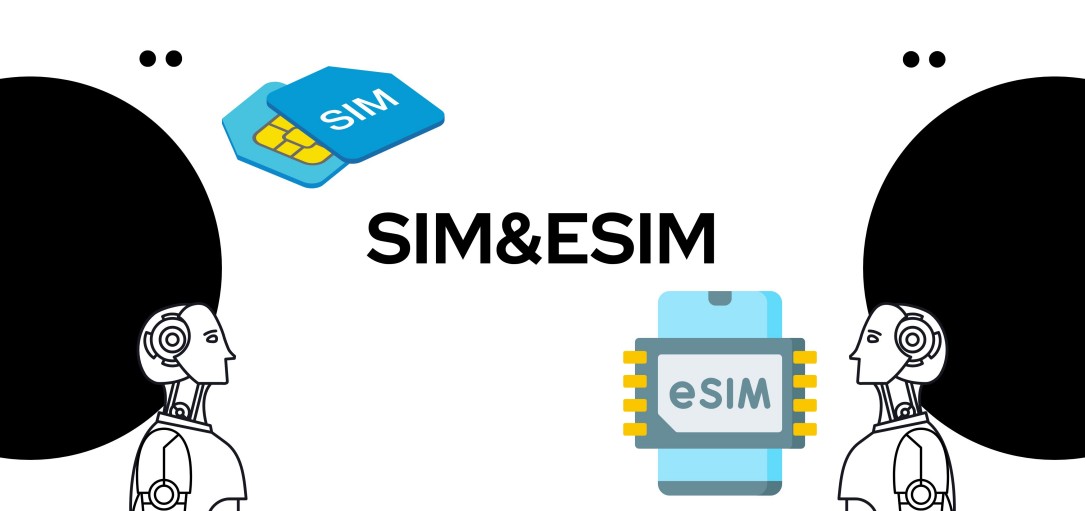
When choosing an eSIM, the core decision is between roaming aggregators and direct carrier plans. Aggregators like Airalo or Holafly resell bulk roaming from multiple networks, offering broad geographic coverage and instant activation without contracts. Direct carrier plans (e.g., from T-Mobile or Vodafone) provide priority data on a single network, often with better speeds and local IP addresses. Aggregators typically have higher per-GB costs but superior flexibility for multi-country trips. Q: Which option offers better speeds for video calls? A: Direct carrier plans usually deliver faster, more stable speeds because you connect directly to that provider’s infrastructure without reseller routing.
Real-World Use Cases: When This Technology Shines
The eSIM shines brightest when your phone dies in a foreign city and you need instant connectivity without hunting a plastic SIM vendor. Imagine arriving in Tokyo for a work emergency: with a dead physical SIM slot, you scan a QR code from your laptop, activate a local data plan, and your phone is online before your taxi leaves the curb. It similarly transforms multi-country trips, letting you toggle between a home carrier and a travel eSIM without juggling tiny cards. Q: When does this feel like magic? A: When you land at 2 AM, no shops open, and your eSIM auto-connects as you step off the plane. For digital nomads, switching between a German work line and a Thai social plan is a tap away, not a trip to a store.
Frequent Flyers Ditching Physical SIMs for Seamless Connectivity
Frequent flyers are increasingly ditching physical SIMs for the practical benefit of seamless connectivity across borders. Instead of swapping cards or hunting for local vendors at each destination, they pre-load multiple operator profiles on a single eSIM. This eliminates the risk of losing a tiny plastic card mid-trip and removes the need to carry a SIM-ejector tool. The switch is driven by pure convenience: instant activation upon landing and the ability to keep a home number active for banking OTPs while using a local data plan.
- Pre-download travel eSIMs before departure to avoid airport kiosk queues.
- Switch between regional and global data plans from a single app interface.
- Keep your primary number online for critical two-factor authentication while roaming on a secondary eSIM.
Business Travelers Managing Multiple Country Profiles
For business travelers, managing multiple country profiles via an eSIM eliminates the chaos of swapping physical SIMs at every border. Instead of juggling international roaming fees or hunting for local prepaid cards, you preload several regional profiles onto one device. Activate a Japan profile in Tokyo, instantly switch to a Germany profile in Berlin—all without changing your home number. This ensures seamless cross-border connectivity for critical client calls and cloud access. Q: Can I keep my work line active while using a local data profile? Yes, simply configure the eSIM to use the local profile for data and your primary line for voice, enabling uninterrupted professional availability across territories.
Digital Nomads Maintaining Home Numbers Abroad
For digital nomads, an eSIM is the essential tool for maintaining a home number seamlessly abroad. Instead of swapping physical SIMs and risking missed calls from banks or clients, you activate a secondary eSIM for local data while keeping your primary home eSIM active for calls and texts. This eliminates the need for expensive international roaming plans or precarious call-forwarding apps. You retain complete access to two-factor authentication codes and family check-ins, all without juggling multiple devices or losing your established contact number.
- Keep your home number active for two-factor authentication from banks and services.
- Receive calls and texts from family or work on your primary line while using local data.
- Avoid roaming fees by running a local data eSIM in parallel with your home eSIM.
- Maintain professional availability through your known business number without SIM swaps.

Smartwatch Users Staying Connected Without a Phone
For smartwatch users, an eSIM eliminates the need to keep a phone nearby for connectivity. Runners or swimmers can stream music, receive navigation prompts, and respond to messages directly from the wrist. The eSIM profile clones the primary line’s number, enabling call forwarding and data synchronization without a paired handset. This allows untethered communication during errands or workouts, where carrying a phone is impractical. Battery life on the watch becomes the only limiting factor, making it a self-contained node for calls, texts, and emergency alerts.
Future Trends Shaping the Next Generation of Connectivity
The next generation of connectivity, powered by eSIM, will pivot toward self-sovereign identity and dynamic network slicing. Users will instantly swap between dedicated IoT slices, low-latency gaming channels, or high-bandwidth video profiles from a single eSIM profile, without carrier intervention. Expect seamless, multi-network roaming as eSIMs automatically negotiate the strongest signal across unlicensed spectrum and satellite backhauls, creating a persistent, device-native connection. Embedded policy engines will let you prioritize latency over cost or security over speed per application, transforming the eSIM from a simple identifier into an intelligent, context-aware connectivity manager. This shift enables always-optimized links for critical services, like remote surgery or autonomous vehicle telemetry, where a static SIM cannot adapt to real-time network conditions.
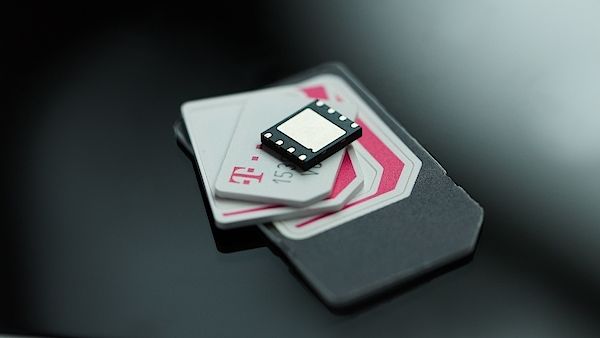
Transition to Full eSIM-Only Devices and No Physical Slot
The transition to full eSIM-only devices eliminates the physical SIM tray, freeing internal space for larger batteries or enhanced cooling systems. Users must manage multiple profiles solely through software, requiring careful backup of eSIM credentials to avoid lockout during device resets. This shift mandates that travelers verify carrier eSIM compatibility abroad before departure, as swapping physical SIMs becomes impossible. The absence of a slot also improves water and dust resistance. eSIM-only device migration demands digital-first habits for profile transfers between phones.
Full eSIM-only devices replace the physical slot with software-based profile management, offering hardware durability but requiring users to adopt digital backup https://baztel.co/esim-plans/esim-japan habits and pre-travel compatibility checks.
Integration with 5G and Autonomous Networks
The integration of eSIMs with 5G and autonomous networks unlocks continuous, ultra-low-latency connectivity as devices dynamically switch between network slices. An eSIM’s remote provisioning enables seamless handovers between gNodeBs without physical card swaps, critical for autonomous vehicle platooning and industrial robotics. This allows devices to automatically select the optimal 5G network slice for a specific task—like a drone switching from a low-latency slice for real-time control to a high-bandwidth slice for video upload. The result is seamless autonomous network handovers, ensuring stable, high-performance connections for mission-critical applications without user intervention.
Role of Embedded SIMs in Smart Cities and Industry 4.0
In smart cities and Industry 4.0, embedded SIMs are the silent workhorses enabling everything from intelligent traffic lights to autonomous factory robots. They allow street sensors and industrial machinery to securely connect to cellular networks out of the box, with no physical card to swap. This makes deploying and managing thousands of devices across a city or factory floor radically simpler. The real magic is that a single eSIM profile lets a parking sensor switch between carriers to find the best signal, keeping city infrastructure online without a technician ever touching it.
- Remote provisioning lets a city’s air quality monitors update their network settings over the air, adapting to changing coverage.
- In factories, eSIMs enable predictive maintenance by keeping conveyor belt sensors always connected, even in high-vibration zones where physical cards could fail.
- Smart utility meters with eSIMs can automatically roam between networks during outages, ensuring uninterrupted data on water or power usage.
Predictions for Universal Carrier Interoperability
Universal carrier interoperability will likely evolve toward seamless, algorithm-driven network switching, where your eSIM automatically negotiates the strongest local signal without manual profiles. Predictions indicate devices will intelligently aggregate multiple carrier profiles, blending 5G slices from different providers for optimal speed and cost. We anticipate real-time carrier arbitration, where your phone dynamically benchmarks each connected network’s latency mid-call, switching carriers without dropouts. Future eSIMs could also enable split billing—using one carrier for streaming and another for voice—all initiated from a single management interface, erasing the concept of a primary network.